Gỏi cuốn
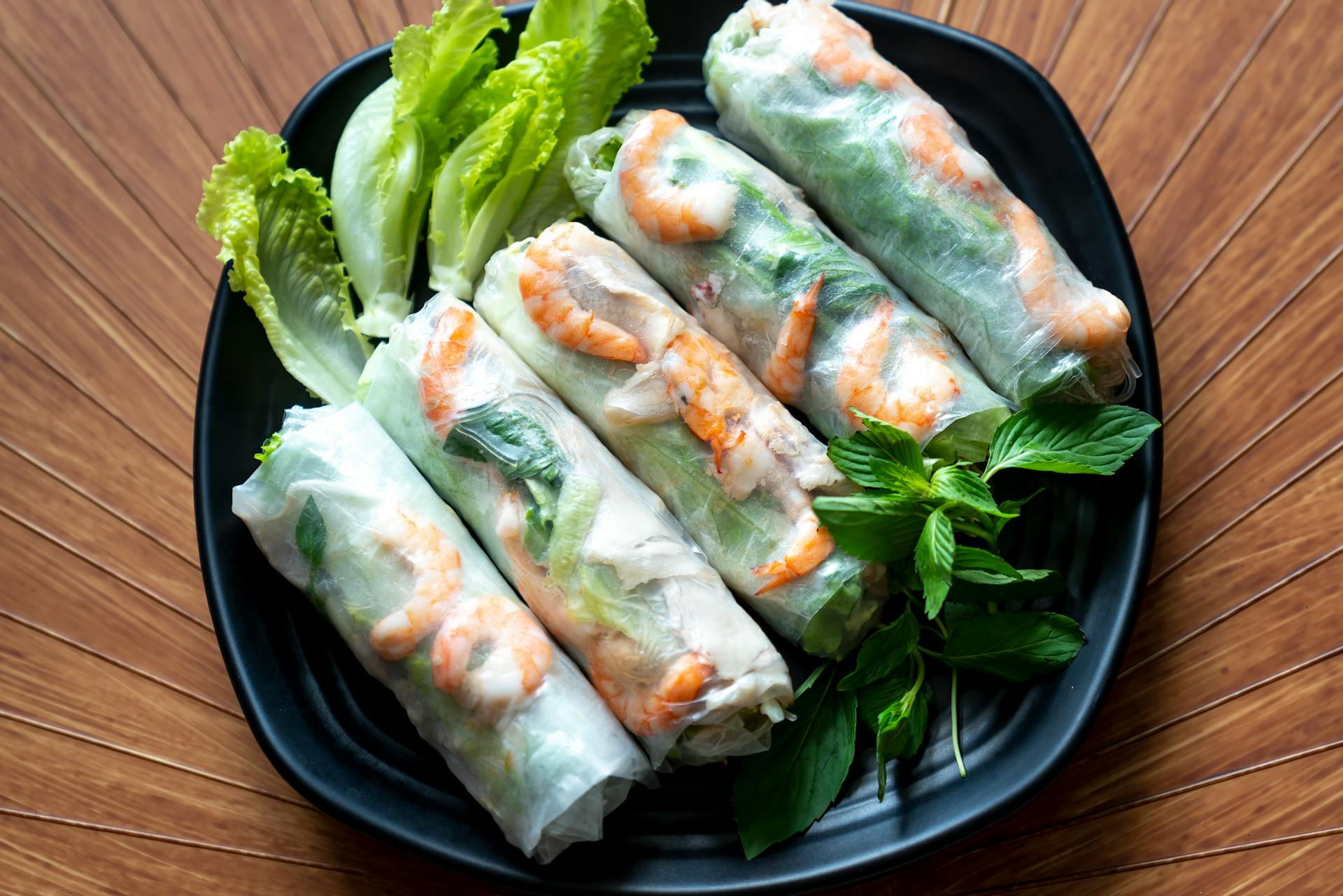
Celebrated as vibrant pockets of freshness, Gỏi cuốn showcase Vietnam's love for crisp herbs in a delicate, translucent wrap.
Meaning
'Gỏi' translates to a raw or fresh salad, while 'cuốn' means to roll or wrap. Together, 'Gỏi cuốn' literally means 'salad roll,' perfectly describing its essence: a fresh, crisp salad neatly bundled in a rice paper wrapper.
Origin
The exact origins of Gỏi cuốn are rooted in the broader culinary traditions of Southeast Asia, where wrapping food in leaves or rice paper is a centuries-old practice. Unlike fried spring rolls, which show Chinese culinary influences, Gỏi cuốn reflects a distinctly indigenous approach to adapting to Vietnam's tropical climate. Originally a humble street food in Southern Vietnam, it was designed to be a quick, cooling snack for laborers and farmers during scorching summer days. Over time, it evolved into a beloved staple across the country and a proud ambassador of Vietnamese cuisine globally.
Cultural Significance
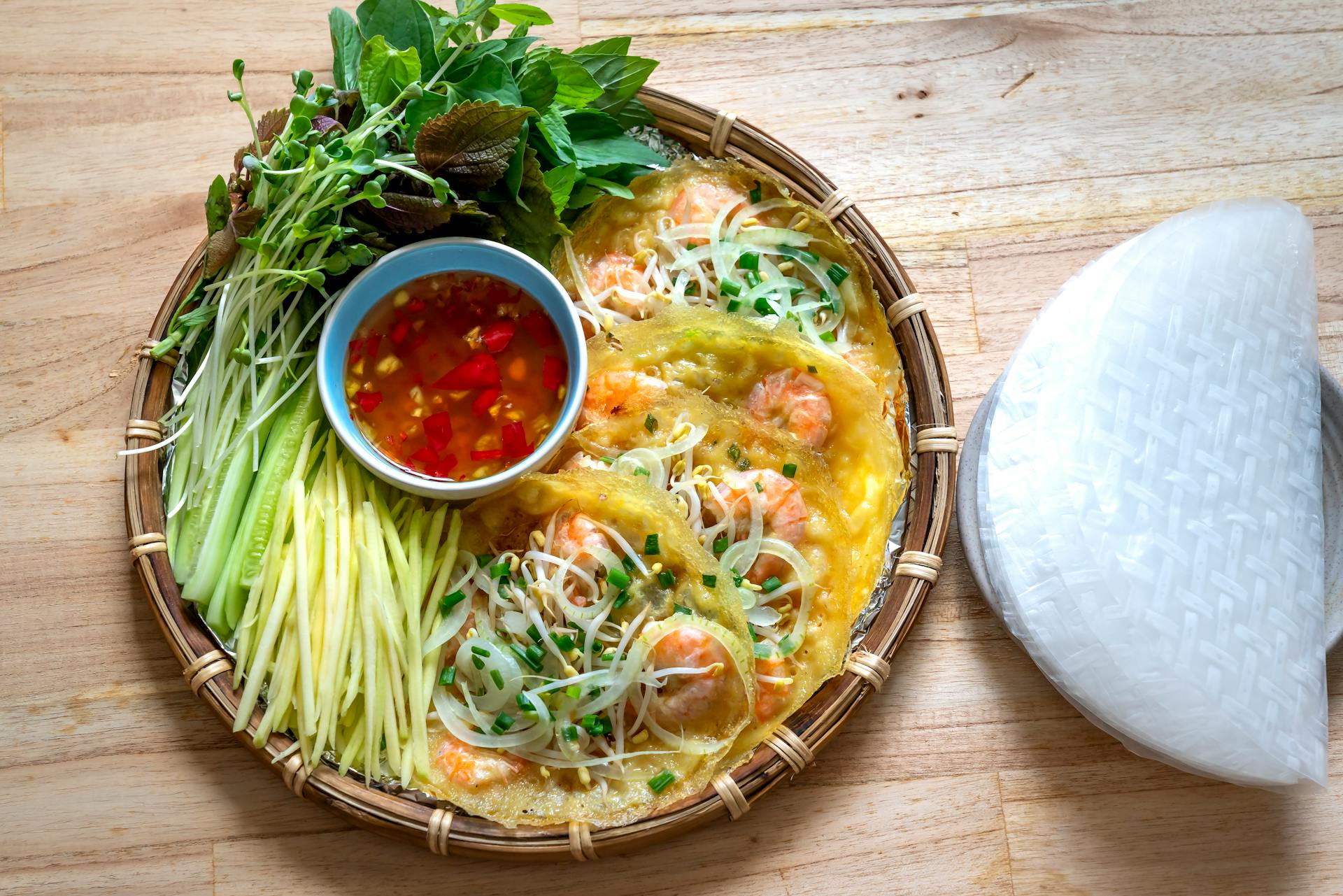
In Vietnam, eating Gỏi cuốn is often a communal and interactive affair rather than just ordering pre-made rolls. Many families set up a roll-it-yourself feast where everyone builds their own custom wraps at the table, turning the meal into a bonding experience. Additionally, the translucent rice paper used for wrapping is a testament to the ingenuity of Vietnamese farmers. They traditionally sun-dried rice batter on bamboo racks, leaving signature woven patterns that are still visible on the paper today.
PRACTICE: Gỏi
To pronounce this sound, start with the hard "g" as in "gate," but relax your tongue slightly to allow a gentle stream of air to escape through the back of your throat, creating a softer, breathier quality.
A clear glide from an 'o' sound to an 'ee' sound, sounding like 'oy' in 'boy'.
Start at a medium pitch, let your voice drop down low, and then quickly flick it back up at the very end, just like when you say "Really?" or "Huh?" in a tone of surprise or questioning.
PRACTICE: cuốn
Produce this sound like the "k" in "skill," making sure to keep it crisp and tight without releasing a puff of air.
Start with an "oo" and slide into a crisp "n" with your tongue hitting the roof of your mouth; it's a bright, forward sound like the end of "moon."
To master this rising tone, start at a medium pitch and quickly slide your voice upward, just as you would when asking a surprised or urgent question like "What?" or "Huh?".
EXAMPLES
Đi ăn gỏi cuốn đi!
Let's go eat summer rolls!
Gỏi cuốn tôm thịt.
Shrimp and pork summer rolls.
WHAT TO AVOID
English speakers often pronounce 'Gỏi' as a flat 'goy' without the dip-and-rise tone. For 'cuốn', the most common mistake is turning the 'uố' into a simple 'u' sound like in 'soon'.